Kidney-Friendly Recipes
7-Day Kidney-Friendly Meal Plan for Stage 3 CKD (With Grocery List)
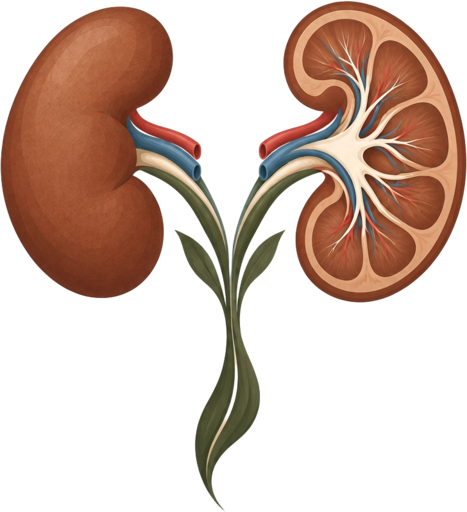
Stage 3 chronic kidney disease (eGFR 30–59 mL/min/1.73 m²) is the inflection point where dietary patterns start to meaningfully change disease trajectory. The 2020 renal nutrition guideline and current KDIGO guidance both elevate nutrition from 'nice-to-have' to a core therapeutic intervention at this stage [1, 2]: the right pattern slows GFR decline, lowers proteinuria, blunts the cardiovascular risk that drives most CKD mortality, and reduces medication burden. The wrong pattern — ultra-processed, high-sodium, additive-heavy eating — does the opposite, and the gap between the two patterns compounds month over month.
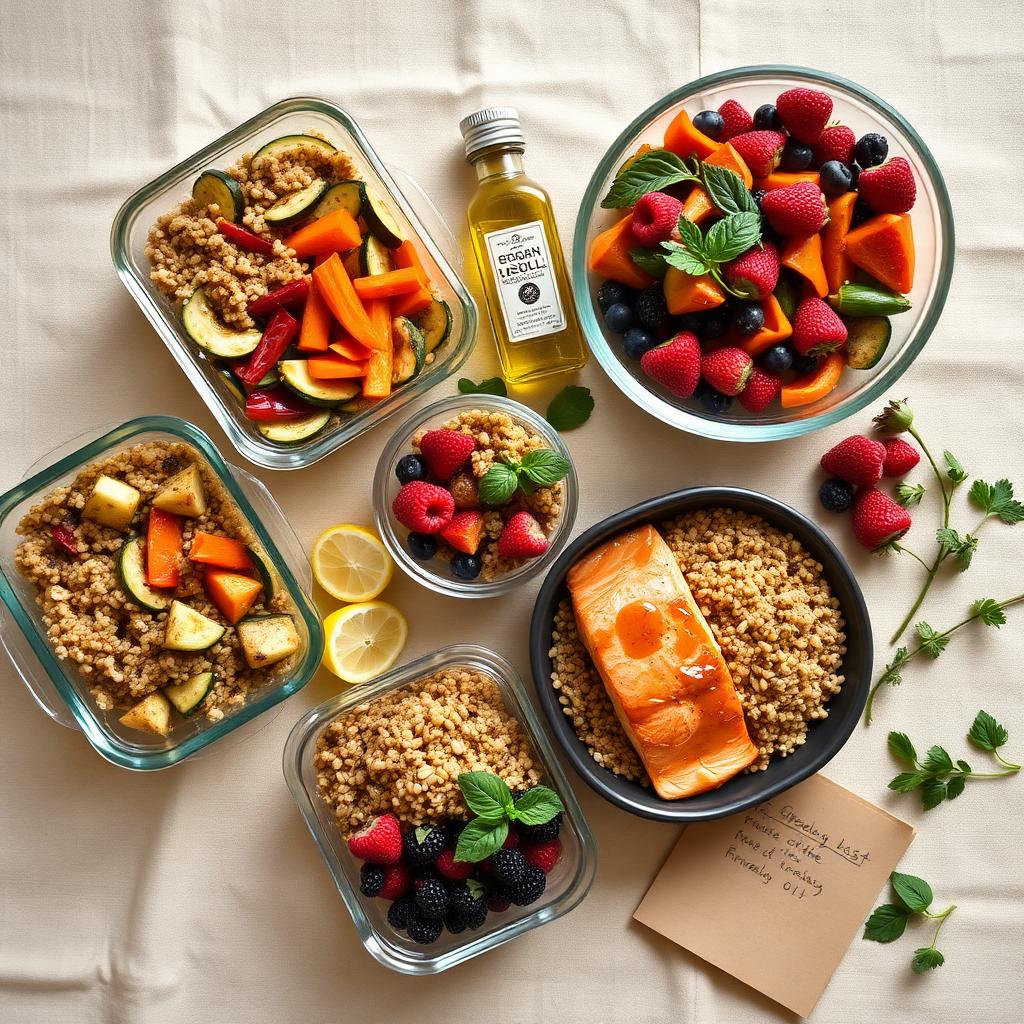
This is a realistic 1,800–2,000 kcal, ~50 g protein, sub-2,000 mg sodium week for a 70 kg adult with stage 3 CKD, no fluid restriction, normal potassium, and no diabetes. Swap portion sizes and substitutions to match your own labs and your renal dietitian's individualized targets. Below the plan you'll find the daily nutrient math, an honest grocery list that totals roughly $90–$110 at a mainstream US grocer, prep strategy, and the rules behind every choice.
The 6 principles behind every meal in this plan
- Sodium 1,500–2,000 mg/day — almost entirely from packaged foods, not the salt shaker [3].
- Protein 0.6–0.8 g/kg/day for non-diabetic CKD 3 unless your team has individualized this — about 42–56 g for a 70 kg adult [1].
- Plant-forward, with kidney-safe portions of potassium and phosphorus — associated with slower GFR decline and lower mortality in CKD [4, 5].
- Zero phosphate additives — anything 'PHOS' on the ingredient list. Additive phosphorus is absorbed almost completely and drives cardiovascular risk [6].
- Extra-virgin olive oil as the primary fat; fatty fish 2–3× per week — the Mediterranean pattern most consistently linked to slower CKD progression [4].
- Color and fiber at every meal; minimum 5 servings of produce daily — higher fiber intake is associated with lower CKD mortality [7].
The 7-day plan at a glance
| Day | Breakfast | Lunch | Dinner |
|---|---|---|---|
| Mon | Old-fashioned oats (½ cup dry) with blueberries, walnuts, cinnamon, splash of unsweetened almond milk | Grilled chicken (3 oz) salad with mixed greens, cucumber, red bell pepper, EVOO + lemon dressing, side of grapes | Baked cod (4 oz) with herbed couscous (½ cup), roasted zucchini, drizzle of EVOO |
| Tue | Greek yogurt (¾ cup, plain) with strawberries, drizzle of honey, 1 tbsp slivered almonds | Turkey (2 oz unprocessed roast) and apple wrap on whole-grain tortilla with arugula and mustard | Lemon-garlic chicken thigh (1, skin removed), white rice (½ cup), sautéed green beans with garlic |
| Wed | Veggie omelet (2 egg whites + 1 yolk) with red pepper and onion, slice of whole-grain toast | Tuna salad (light mayo) on whole-grain bread, cucumber slices, side of pear | Pasta (1 cup cooked) with EVOO, garlic, shrimp (3 oz), fresh basil, side salad |
| Thu | Overnight oats (½ cup) with raspberries, 1 tbsp chia, splash of unsweetened almond milk | Homemade low-sodium chicken-and-rice soup (1.5 cups), side salad with EVOO + lemon | Pork tenderloin (3 oz), mashed cauliflower (¾ cup), roasted carrots with thyme |
| Fri | Whole-grain toast with 1 tbsp almond butter and sliced strawberries | Mediterranean grain bowl: farro (½ cup), cucumber, herbs, lemon-EVOO, chickpeas (¼ cup, rinsed) | Baked salmon (4 oz), jasmine rice (½ cup), steamed broccoli with garlic and EVOO |
| Sat | Buckwheat pancakes (2 small) with blueberries, splash of maple | Egg salad sandwich on whole-grain bread (2 slices), apple slices on the side | Turkey meatballs (3, homemade), angel hair pasta (¾ cup) with low-sodium marinara, sautéed spinach |
| Sun | Yogurt parfait: Greek yogurt + no-phosphate granola + berries | Roasted vegetable & chicken (2 oz) bowl with quinoa (½ cup) | Herb-roasted chicken (3 oz), small roasted sweet potato (boiled-then-roasted to leach K), green salad with vinaigrette |
Daily nutrient targets vs the plan
| Nutrient | Plan delivers (avg) | Typical CKD 3 target |
|---|---|---|
| Calories | 1,850–2,000 kcal | ~25–30 kcal/kg |
| Protein | 50–58 g (0.7–0.83 g/kg) | 0.6–0.8 g/kg |
| Sodium | 1,450–1,900 mg | <2,000 mg |
| Potassium | 2,400–2,800 mg | Typically 3,000–4,000 mg (lab-guided) |
| Phosphorus (natural only) | 850–1,050 mg | <1,000 mg if elevated; lab-guided |
| Fiber | 28–34 g | ≥25 g |
| Saturated fat | 12–18 g | <10% kcal |
Grocery list (~$90–$110 at a mainstream US grocer)
Proteins
2 lb boneless skinless chicken thighs, 1 lb chicken breast, 1 lb 93% lean ground turkey, 1 lb cod, 1 lb salmon, ½ lb shrimp, 1 lb pork tenderloin, 1 dozen eggs, 16 oz plain Greek yogurt, 6 oz unprocessed roast turkey, 1 can low-sodium tuna
Grains
18 oz old-fashioned oats, 1 loaf whole-grain bread, 6 whole-grain tortillas, 1 lb jasmine rice, 8 oz couscous, 8 oz farro, 1 lb quinoa, 12 oz angel hair pasta, 1 box buckwheat pancake mix (check the label for PHOS)
Produce
1 pint blueberries, 1 lb strawberries, 6 oz raspberries, apples, pears, lemons, mixed greens, arugula, spinach, cucumbers, red bell peppers, zucchini, green beans, carrots, broccoli, cauliflower, basil, parsley, garlic, onions, grapes, 1 small sweet potato
Dairy / alternates
½ gallon unsweetened almond milk, small block of parmesan (use sparingly), unsalted butter
Pantry
Extra-virgin olive oil, light mayo, low-sodium marinara (read label), almond butter, walnuts, slivered almonds, chia seeds, honey, maple syrup, no-salt-added canned chickpeas, dried herbs, salt-free seasoning blend
Sunday prep — 90 minutes that powers the whole week
- Cook a pot of farro (1 cup dry) and a pot of quinoa (1 cup dry) — covers grain bowls Fri/Sun.
- Roast a sheet pan of vegetables (zucchini, carrots, peppers, broccoli) for Mon/Sun reuse.
- Hard-boil 4 eggs for the Sat egg salad and emergency snacks.
- Mix 3 jars of overnight oats (Tue/Wed/Thu) — oats, chia, almond milk, berries — and refrigerate.
- Make 6 turkey meatballs (2 portions), freeze one batch for the following week.
- Pre-soak (8 h) and double-boil chickpeas if using dried instead of canned.
Snacks, fluids, and a note on potassium
Kidney-safe snack options include unsalted air-popped popcorn (2 cups), apple slices with 1 tbsp almond butter, rice cakes with hummus (1 tbsp), a small handful of unsalted walnuts, carrot sticks with tzatziki (homemade with plain yogurt), or a piece of fruit with a small piece of cheese. Fluid targets in Stage 3 CKD are usually unrestricted unless you have heart failure or significant edema — most patients benefit from steady hydration around 1.5–2.0 L/day [8]. Potassium tolerance in Stage 3 varies widely; many people do not need a low-potassium diet until later stages or unless labs show hyperkalemia [1]. Get your potassium target from your own labs, not from a generic 'renal diet' list.
Cooking techniques that lower mineral load
Double-boil starchy vegetables
Boil potatoes, sweet potatoes, and beans in plenty of water and discard the cooking liquid — reduces potassium 30–50% [9].
Rinse anything canned
Rinse canned beans, vegetables, and tuna under running water for ~30 seconds — drops sodium about 40% [10].
Season without salt
Herbs, citrus zest, vinegar, and salt-free spice blends. Your palate adapts in about 2 weeks [3].
Buy single-ingredient proteins
Fresh chicken, fish, and pork instead of 'enhanced' or pre-marinated versions — avoids phosphate additives entirely [6].
Bake or grill, don't fry
Reduces oxidized fat exposure and keeps the sodium load low.
What to swap if your labs or preferences differ
Hyperkalemia (K >5.0)
Drop bananas and oranges, switch sweet potato to white rice or pasta, swap spinach for green beans or zucchini, halve legume portions.
Hyperphosphatemia
Reduce dairy and whole-grain portions, lean more on egg whites for protein, and time binders with the first bite of every meal and snack.
Diabetic CKD 3
Increase non-starchy vegetables, halve the grain portion with extra protein instead, and target the higher end of the protein range (~0.8 g/kg).
Heart failure overlap
Sodium target tightens to 1,500 mg, fluid target is individualized, and daily morning weights become non-negotiable.
Vegetarian
Replace chicken/cod/salmon/turkey with tofu, tempeh, and rinsed lentils; add Greek yogurt for extra protein and consider an EPA/DHA algae supplement.
Related reading on NephroNourish
Renal Nutrition
Plant-Based Protein for CKD: How Much Is Safe and How to Get Enough
Why plant protein is easier on the kidneys — and how much you can safely eat at each stage.
Read the article →Renal Nutrition
Low-Phosphorus Diet for CKD: A Nutrition Researcher's Guide to Hidden Phosphate Additives
The additive rules behind the 'zero PHOS' principle in this meal plan.
Read the article →Renal Nutrition
Potassium and Kidney Disease: Foods to Limit and Foods That Are Actually Safe
Use this if your labs show potassium creeping up and you need to swap items in the plan.
Read the article →Renal Nutrition
Low-Sodium Label Decoder for CKD (What the Claims Actually Mean)
How to read a nutrition label so the packaged items in the grocery list actually stay under target.
Read the article →References
- 1.Ikizler TA, et al. KDOQI Clinical Practice Guideline for Nutrition in CKD: 2020 Update. AJKD 2020;76(3 Suppl 1):S1–S107. Read source ↗
- 2.KDIGO 2024 Clinical Practice Guideline for the Evaluation and Management of CKD. Kidney Int 2024;105(4S):S117–S314. Read source ↗
- 3.Mills KT, et al. Sodium excretion and the risk of cardiovascular events in patients with CKD. JAMA 2016;315(20):2200–2210. Read source ↗
- 4.Hu EA, et al. Adherence to healthy dietary patterns and risk of CKD progression and all-cause mortality: findings from the CRIC Study. AJKD 2021;77(2):235–244. Read source ↗
- 5.Kim H, et al. Plant-based diets and incident CKD and kidney function. CJASN 2019;14(5):682–691. Read source ↗
- 6.Sherman RA, Mehta O. Phosphorus and potassium content of enhanced meat and poultry products: implications for patients who receive dialysis. CJASN 2009;4(8):1370–1373. Read source ↗
- 7.Krishnamurthy VMR, et al. High dietary fiber intake is associated with decreased inflammation and all-cause mortality in patients with chronic kidney disease. Kidney Int 2012;81(3):300–306. Read source ↗
- 8.Wu LW, et al. Association between fluid intake and kidney function, and survival outcomes analysis: a nationwide population-based study. BMJ Open 2016;6(5):e010708. Read source ↗
- 9.Bethke PC, Jansky SH. The effects of boiling and leaching on the content of potassium and other minerals in potatoes. J Food Sci 2008;73(5):H80–H85. Read source ↗
- 10.Jones WL. Demineralization of a wide variety of foods for the renal patient. J Ren Nutr 2001;11(2):90–96. Read source ↗
About the author
Swetha Raju
Columbia M.S. Candidate in Clinical Human Nutrition · AKF Certified Kidney Health Coach · NKF Medical Advisory Committee (MAC) Member · NKF peer mentor · CKD patient advocate · Published chronic disease and nutrition researcher
Swetha Raju is the founder of NephroNourish. As a published researcher and lifelong chronic disease patient, she translates renal nutrition and metabolic science into practical guidance people can actually use.
A note on scope. This article is educational and not individual medical advice. Always discuss changes with your nephrologist, dietitian, or care team.