Renal Nutrition
Phosphate Binders: When to Take Them With Food (Complete Guide)
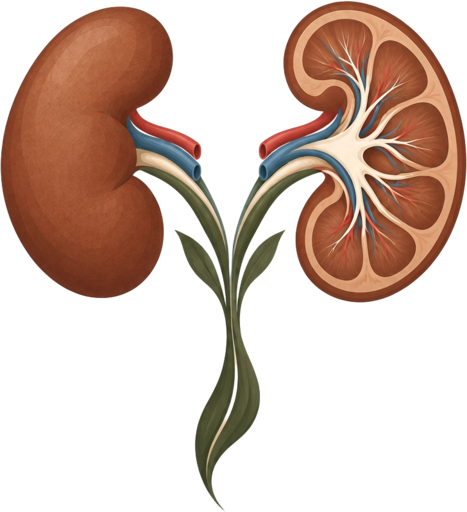
Hyperphosphatemia drives vascular calcification, secondary hyperparathyroidism, left-ventricular hypertrophy, and mortality across the spectrum of advanced CKD and dialysis [1]. A serum phosphorus above 5.5 mg/dL in dialysis patients carries roughly a 20–30% higher mortality risk per 1 mg/dL increment in cohort data [2]. The dietary lever — reducing additive phosphorus, limiting protein excess relative to needs — is necessary but rarely sufficient on its own at eGFR <20 or on dialysis. Phosphate binders fill the gap. They work entirely locally in the GI tract: they bind phosphate ions in the lumen and carry them out in stool. The drug doesn't enter the bloodstream in any meaningful way. That's why timing, not nominal dose, is the single biggest driver of whether they work [3].
The five classes — what you're actually taking
Every binder does the same physical job — bind phosphate in the gut — but the metal or polymer doing the binding changes the trade-offs on calcium load, iron stores, pill burden, GI tolerance, and cost. The choice usually comes down to which downsides matter most for that particular patient right now: is calcium load a problem, is iron deficiency dominant, is pill fatigue the reason adherence is failing?
| Binder | Class | Pros | Watch-outs |
|---|---|---|---|
| Sevelamer carbonate (Renvela) | Non-calcium polymer | No calcium load; lowers LDL ~10–20%; lowers FGF-23 | GI side effects (bloat, constipation), large pills, cost |
| Calcium acetate (PhosLo) | Calcium-based | Cheap, effective per mg of calcium | Calcium load → vascular calcification risk if persistent positive balance |
| Calcium carbonate (Tums, generic) | Calcium-based | Cheapest binder; OTC | Less binding per mg of calcium than acetate; same calcium-load concern |
| Lanthanum carbonate (Fosrenol) | Metal cation | Chewable, low pill burden, no calcium | Cost; nausea; theoretical long-term metal accumulation |
| Ferric citrate (Auryxia) | Iron-based | Binds phosphate AND raises iron stores; can reduce ESA/IV iron use | Dark stools, GI upset; not for iron-overload states |
| Sucroferric oxyhydroxide (Velphoro) | Iron-based | Lowest pill burden in trials (~3/day vs 8+); chewable | Diarrhea, dark stools; cost |
| Aluminum hydroxide | Metal cation | Highly effective short-term | Aluminum toxicity — reserved for crisis use only, not chronic |
The DCOR, INDEPENDENT, and LANDMARK trials collectively suggest non-calcium-based binders may reduce mortality and slow coronary-artery calcification compared with calcium-based binders, though heterogeneity remains [4]. Most current US guidelines (KDIGO 2017) suggest restricting calcium-based binders in adults with CKD G3a–G5D, particularly in the presence of hypercalcemia, low PTH, or established arterial calcification [1].
Timing rules — the part that decides whether they work
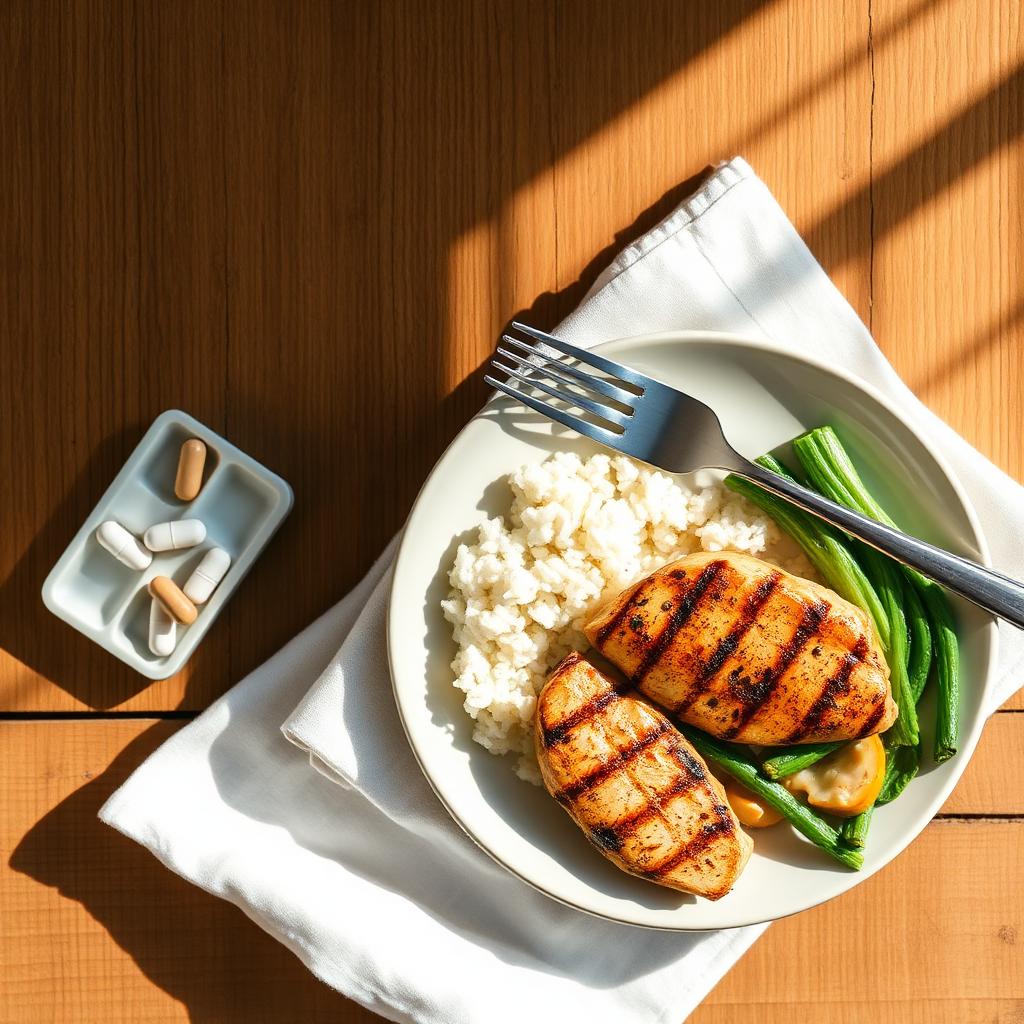
Take with the FIRST bite
Not 30 minutes before, not 30 minutes after. The binder needs to be in the stomach when the meal arrives — otherwise the phosphorus is already downstream by the time the pill dissolves [3].
Match the dose to the meal
Full dose for a full meal, half-dose for a substantial snack, none for water or black coffee. A 400-calorie dinner and a slice of toast don't need the same amount of binder.
No meal = no binder
Skip the binder if you skip the meal. A binder without phosphorus in the gut is pointless, worsens constipation, and burns a dose worth of tolerance for nothing.
Split the dose for long meals
Thanksgiving, weddings, restaurant tasting menus — take half at the start, half mid-meal. Stomach emptying resets so the second half of the meal needs its own binder.
Keep the bottle on the table
Out of sight is out of mind. The single biggest predictor of missed doses is where the pill lives — move it from the medicine cabinet to the kitchen counter.
Drug interactions: what to space apart
| Co-medication | Space from binder | Why |
|---|---|---|
| Oral iron (ferrous sulfate, gluconate) | 2 hours | Calcium and sevelamer reduce iron absorption |
| Levothyroxine | 4 hours | Calcium and iron binders cut levothyroxine absorption ~30% |
| Ciprofloxacin, levofloxacin | 2 hours before / 6 hours after | Chelation with metal cations |
| Doxycycline, tetracyclines | 2 hours | Same chelation mechanism |
| Mycophenolate | 2 hours | Reduced AUC with sevelamer |
| Fat-soluble vitamins (A, D, E, K) | 2 hours | Sevelamer may modestly reduce absorption |
| Warfarin, digoxin | Monitor INR / level | Sevelamer can alter absorption variably |
The food side: where phosphorus is hiding
Natural protein-bound phosphorus (meat, dairy, legumes, whole grains) is 40–60% bioavailable. Inorganic phosphate additives (sodium phosphate, sodium tripolyphosphate, phosphoric acid, dicalcium phosphate) are 90–100% bioavailable — and they are everywhere in the modern food supply [5]. A meta-analysis of US grocery scans estimates additive phosphorus contributes 300–1,000 mg/day to the average American intake, often invisibly because phosphorus is not on the Nutrition Facts label.
| Food | Approx phosphorus | Why it's high |
|---|---|---|
| Cola (12 oz) | 40–60 mg | Phosphoric acid (acidulant) |
| Processed cheese slice | 200+ mg | Sodium phosphate emulsifier |
| Deli turkey, 3 oz | 250+ mg | Sodium phosphate brine |
| Boxed mac & cheese | 350+ mg/serving | Cheese powder phosphates |
| Frozen chicken breast (enhanced) | 300+ mg | 'Up to 15% solution' = phosphate brine |
| Non-dairy creamer | 60+ mg/Tbsp | Dipotassium phosphate |
| Instant pudding | 200+ mg | Disodium phosphate |
| Baking powder biscuit | 150+ mg | Sodium aluminum phosphate / SAPP |
Practical dosing math
Most adults on dialysis ingest 800–1,200 mg of phosphorus per day even with reasonable food choices. A standard sevelamer 800 mg tablet binds roughly 32 mg of phosphorus per tablet in vivo; calcium acetate 667 mg binds ~45 mg; lanthanum 500 mg binds ~80 mg; sucroferric oxyhydroxide 500 mg binds ~96 mg [6]. That math is why pill burden is often 6–12 binder tablets per day on non-iron polymers — and why iron-based binders have become first-line for many patients struggling with adherence.
| Binder | Per-tablet binding | Typical daily dose | Approx tablets/day |
|---|---|---|---|
| Sevelamer carbonate 800 mg | ~32 mg PO₄ | 2,400–4,800 mg | 6–12 |
| Calcium acetate 667 mg | ~45 mg PO₄ | 2,001–4,668 mg | 6–14 |
| Calcium carbonate 500 mg | ~40 mg PO₄ | 1,500–3,000 mg | 6–12 |
| Lanthanum carbonate 500 mg | ~80 mg PO₄ | 1,500–3,000 mg | 3–6 (chewable) |
| Ferric citrate 210 mg (as Fe) | ~40 mg PO₄ | 3–12 tablets | 6–12 |
| Sucroferric oxyhydroxide 500 mg | ~96 mg PO₄ | 1,500 mg | 3 (chewable) |
When you forget a dose
Side-effect management
Constipation on sevelamer
Increase soluble fiber, hydrate to your fluid allowance, and add PEG (Miralax) if needed — confirmed safe on dialysis. If it persists past 2 weeks, ask about switching classes rather than adding a laxative permanently.
Diarrhea on iron-based binders
Usually improves over 2–4 weeks as the gut adapts. Splitting the dose across more meals helps; if it's still limiting after a month, a class switch is reasonable.
Nausea
Almost always a first-bite problem — the pill hits a near-empty stomach. Wait for two or three real bites of food before swallowing the binder, especially the morning dose.
Dark stools on iron-based binders
Expected and harmless — iron pigments the stool black or green. Not the same as melena (which is tarry, sticky, and foul-smelling); mention any true GI-bleeding signs to your team, but don't stop the binder over the color alone.
GI bloating on sevelamer
Try smaller, more frequent doses rather than one large one. Chewing thoroughly and taking with warm liquid helps the polymer disperse instead of clumping.
Metallic taste on lanthanum
Chew fully before swallowing — half-chewed tablets sit on the tongue longer and intensify the taste. Rinsing with water immediately after helps.
Tracking what's working
Serum phosphorus is checked monthly on hemodialysis and reflects intake plus binder use over the prior 1–2 weeks. Target ranges per KDIGO 2017 are 'toward the normal range' (typically 3.5–5.5 mg/dL) — extreme over-suppression carries its own risk [1]. If your phosphorus is climbing, the questions in order are: (1) Did meal portions or additive intake change? (2) Are binders being taken with the first bite? (3) Is the dose matched to meal size? (4) Is the formulation tolerable enough to actually swallow? (5) Is dialysis clearance adequate? Most rising phosphorus on dialysis is a timing problem, not a 'binder failure' problem.
Did food change?
Any new deli meat, restaurant frequency, protein-powder shake, or seasonal shift (holidays, travel)? Additive phosphorus climbs first and fastest — a 3-day food log usually finds it.
First-bite check
Are binders actually being swallowed with the first bite of every meal? A patient taking them after the meal ends is functionally on no binder at all.
Dose-to-meal match
Is the dose scaled to portion size, or is the same dose being taken for a small breakfast and a large dinner? Under-dosing the big meal is a common miss.
Is the formulation actually tolerable?
If pill burden or GI side effects are driving skipped doses, the answer is a class switch — not a higher dose of a binder they can't take.
Dialysis clearance last
If food, timing, dose, and adherence all check out and phosphorus is still climbing, that's when Kt/V, treatment time, and dialyzer surface area become the conversation.
References
- 1.KDIGO 2017 Clinical Practice Guideline Update for the Diagnosis, Evaluation, Prevention, and Treatment of CKD-MBD. Kidney Int Suppl 2017;7(1):1-59. Read source ↗
- 2.Block GA, et al. Mineral metabolism, mortality, and morbidity in maintenance hemodialysis. J Am Soc Nephrol 2004;15(8):2208-18. Read source ↗
- 3.Van Camp YP, et al. Adherence to phosphate binders in hemodialysis patients: prevalence and determinants. J Nephrol 2014;27(6):673-679. Read source ↗
- 4.Jamal SA, et al. Effect of calcium-based versus non-calcium-based phosphate binders on mortality in patients with CKD: meta-analysis. Lancet 2013;382(9900):1268-77. Read source ↗
- 5.Calvo MS, Uribarri J. Contributions to total phosphorus intake: all sources considered. Semin Dial 2013;26(1):54-61. Read source ↗
- 6.Daugirdas JT. The Phosphate Binder Equivalent Dose. Semin Dial 2011;24(1):41-4. Read source ↗
- 7.Floege J, et al. A phase III study of sucroferric oxyhydroxide vs sevelamer in dialysis patients with hyperphosphatemia. Kidney Int 2014;86(3):638-647. Read source ↗
- 8.Cupisti A, et al. Phosphate control in dialysis. Int J Nephrol Renovasc Dis 2013;6:193-205. Read source ↗
About the author
Swetha Raju
Columbia M.S. Candidate in Clinical Human Nutrition · AKF Certified Kidney Health Coach · NKF Medical Advisory Committee (MAC) Member · NKF peer mentor · CKD patient advocate · Published chronic disease and nutrition researcher
Swetha Raju is the founder of NephroNourish. As a published researcher and lifelong chronic disease patient, she translates renal nutrition and metabolic science into practical guidance people can actually use.
A note on scope. This article is educational and not individual medical advice. Always discuss changes with your nephrologist, dietitian, or care team.