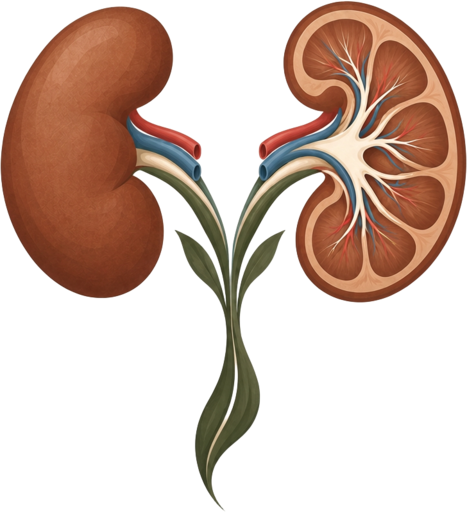
Low-Phosphorus Foods List for CKD
60+ kidney-safe picks across fruit, vegetables, grains, proteins, and dairy alternatives — plus the worst hidden phosphate offenders and what to swap them for. Updated for 2026.
Low-phosphorus fruits
| Food | Serving | Phosphorus |
|---|---|---|
| Apple (with skin) | 1 medium | ≈20 mg |
| Blueberries | 1 cup | ≈18 mg |
| Strawberries | 1 cup | ≈36 mg |
| Raspberries | 1 cup | ≈36 mg |
| Grapes (red or green) | 1 cup | ≈30 mg |
| Pineapple chunks | 1 cup | ≈13 mg |
| Watermelon | 1 cup diced | ≈17 mg |
| Pear (with skin) | 1 medium | ≈20 mg |
| Peach | 1 medium | ≈30 mg |
| Plum | 1 medium | ≈10 mg |
Low-phosphorus vegetables
| Food | Serving | Phosphorus |
|---|---|---|
| Cucumber | 1 cup sliced | ≈24 mg |
| Green beans | 1 cup cooked | ≈36 mg |
| Carrots | 1 cup raw | ≈42 mg |
| Cabbage, green | 1 cup raw | ≈23 mg |
| Lettuce (romaine) | 2 cups | ≈30 mg |
| Bell pepper | 1 medium | ≈30 mg |
| Zucchini | 1 cup cooked | ≈59 mg |
| Cauliflower | 1 cup cooked | ≈40 mg |
| Eggplant | 1 cup cooked | ≈15 mg |
| Onion | ½ cup raw | ≈23 mg |
Lower-phosphorus grains and starches
| Food | Serving | Phosphorus |
|---|---|---|
| White rice | 1 cup cooked | ≈68 mg |
| Pasta (white, plain) | 1 cup cooked | ≈58 mg |
| Sourdough breadAvoid additive-fortified breads | 1 slice | ≈30 mg |
| Couscous | 1 cup cooked | ≈35 mg |
| White tortilla | 1 medium | ≈40 mg |
| Cream of wheat | 1 cup cooked | ≈40 mg |
| Cornflakes (no PHOS additives) | 1 cup | ≈20 mg |
| Rice cakes (plain) | 1 | ≈32 mg |
Proteins — best lower-phosphorus picks
| Food | Serving | Phosphorus |
|---|---|---|
| Egg whitesHigh-quality protein, minimal phosphorus | 2 large | ≈10 mg |
| Fresh chicken breast (not enhanced) | 3 oz | ≈190 mg |
| Fresh turkey (not enhanced) | 3 oz | ≈180 mg |
| Cod or sole | 3 oz | ≈200 mg |
| Tilapia | 3 oz | ≈170 mg |
| Shrimp | 3 oz | ≈115 mg |
| Pork tenderloin (fresh) | 3 oz | ≈210 mg |
Dairy alternatives & lower-phosphorus dairy
| Food | Serving | Phosphorus |
|---|---|---|
| Unenriched almond milk | 1 cup | ≈20 mg |
| Unenriched rice milk | 1 cup | ≈55 mg |
| Coconut milk beverage | 1 cup | ≈45 mg |
| Cream cheese | 2 tbsp | ≈30 mg |
| Butter | 1 tbsp | ≈3 mg |
The worst hidden phosphate offenders (and what to swap)
Skip
Dark cola (Coke, Pepsi, Dr Pepper)
Swap to
Sparkling water with lime or ginger ale
Skip
Deli meats, ham, bacon, sausage
Swap to
Freshly cooked unbrined chicken, turkey, or pork (look for 'not enhanced')
Skip
Processed cheese slices and cheese spreads
Swap to
Small portion of fresh mozzarella, brie, or cream cheese
Skip
Non-dairy creamers and flavored coffee drinks
Swap to
Plain unsweetened almond or rice milk
Skip
Pancake/biscuit mixes and frozen breakfast pastries
Swap to
Sourdough toast, plain oatmeal, or homemade pancakes without baking-powder phosphate
Skip
Pre-marinated or 'flavor-injected' chicken
Swap to
Fresh chicken seasoned at home with olive oil, herbs, and lemon
Want the deeper read on phosphate additives, binder timing, and why CV mortality (not kidney failure itself) is the main risk? Read the full guide →
About the author
Swetha Raju
Columbia M.S. Candidate in Clinical Human Nutrition · NKF Medical Advisory Committee (MAC) Member · NKF peer mentor · CKD patient advocate · Published chronic disease and nutrition researcher
Swetha Raju is the founder of NephroNourish. As a published researcher and lifelong chronic disease patient, she translates renal nutrition and metabolic science into practical guidance people can actually use.